
Thermostat Installation in Miami, FL
A blank screen, a system that ignores the setpoint or a fan that never stops often means the thermostat or its wiring, not the equipment itself.
Other work AM Distributors- HVAC Parts Center Miami takes on
Where
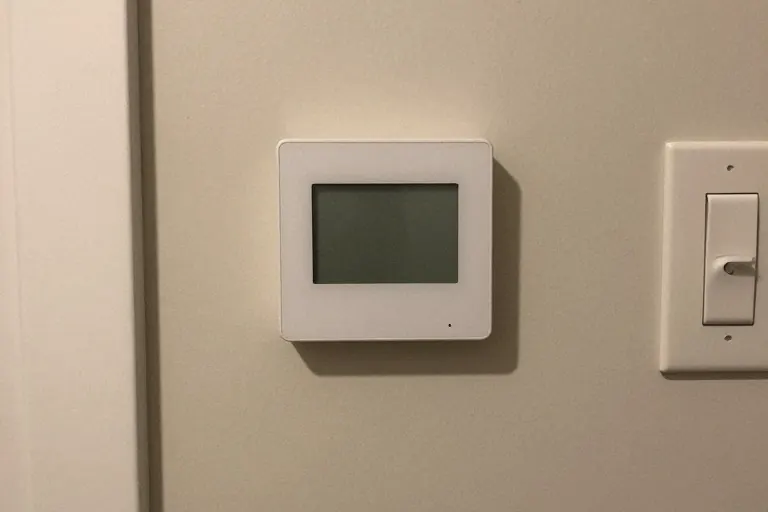
New thermostat, same controls
A blank screen, a setpoint the equipment ignores, or a fan that never stops often points back to the wall control or the low-voltage wiring behind it. The work covers taking the old unit off the wall, checking the base plate, marking each wire, matching the terminals, mounting the new control, setting the fan and system mode, then running the heat and cool cycles to make sure the air handler and outdoor unit follow the call.
In most houses the low-voltage pair is thin and simple, but older wiring can be faded, spliced or shorted by a nail or a chewed cable. The job can include a new C wire path, a battery backup check, a common wire adapter at the air handler, or moving the control to a steadier wall spot away from lamps, drafts or direct sun. When the old control is mercury, it goes into a sealed container rather than the trash.
- Remove the old wall control
- Label every low-voltage wire
- Match letters on the terminal block
- Set heat, cool and fan modes
- Add a common wire path
- Run heat and cool test calls
When the house will not hold setpoint
The clue is often small. The display lights up, then fades. Heat runs in cool mode, or cooling starts only after the setpoint has dropped far past the target. The fan keeps blowing between calls and never reaches the plenum air temperature the equipment expects. Some of that is a stuck relay inside the control, and some is a loose wire at the base.
- Screen flickers or stays dark
- Setpoint changes by itself
- Fan runs with no call
- Heat and cool swap places
- Batteries swell and leak
- Room feels far off target
From base plate to test call
Power to the air handler goes off first, then the door panel comes off and the low-voltage wires are checked at the control board. Back at the wall, the old control lifts off the base, each wire is matched to its letter, and any painted-over screw or green corrosion is cleaned. The new base is leveled on the anchors, the wires seat under the right screws, and the face clicks on.
Setup follows the equipment: heat pump, air conditioner, or heat strips, fan on or auto, and the stage the outdoor unit can handle. A common wire or power extender may be fitted when the old cable has no spare conductor. After power returns, the installer runs a heat call, then a cool call, watching the contactor pull in, the blower ramp, and the reading at the return grille. Labels go on the panel before it closes.
- Door panel comes off
- Base plate gets leveled
- Terminals are cleaned and tightened
- Common wire may be added
- Heat call is tested
- Cool call is tested
Florida heat, salt air and storm surges
In Florida the wall plate sees humid air almost all year, so green corrosion and stuck pins show up sooner than in dry country. Daily summer storms bring lightning and short power hits that can scramble a control even when the outdoor unit looks fine, especially around Miami. Near the coast, salt air pits screws and terminals. Mild winters mean a heat pump spends much of the year cooling, so the cooling call, changeover, and backup stage still get tested even in a small swap.
What moves the price
A like-for-like swap on a clear wall is the light end. The price climbs when old cloth wiring has to be replaced, when the air handler needs a common wire kit, when the control sits in a bad spot that calls for new cable, or when several small boards and sensors must be matched before setup.
- Fishing new low-voltage cable
- Adding a common wire kit
- Replacing corroded terminals
- Moving the control location
- Matching heat pump stages
Questions about thermostat installation
Does someone have to be home for thermostat work?
Only when the indoor unit sits behind a locked door, attic hatch, or storage room. The wall part is quick, but the air handler may need clear access for wiring and testing.
Will a new thermostat fix short cycling?
Not always. It helps when the old relay sticks, but short cycles from a clogged coil, weak capacitor, or low charge need their own repair.
Do I need a thermostat that can handle Florida lightning?
A surge strip at the air handler and good grounding help more than any brand. The wall control still gets checked after nearby strikes, since the low-voltage side can take the hit.
Why did my thermostat die after a storm when the AC still runs?
The outdoor unit may keep running while the low-voltage board at the air handler takes the hit. Lightning can travel on the control wire and spare the compressor, so the wall screen goes blank and the fan or contactor acts strange afterward.
Should the old thermostat stay if the screen is only dim?
A dim screen can be batteries, loose pins, or a failing board, so the fix may be simple. If the relay still clicks clean and the temperature reads true beside a separate gauge, cleaning the pins or fresh batteries can buy time.
Will this need a permit?
Most wall control swaps do not, because the work stays in low-voltage wiring. A new circuit, moved indoor unit, or change to the air handler board can cross into permit territory, so the local rule is checked before holes are drilled.
Can one thermostat run a heat pump with backup heat?
Yes, if the control is set up for that equipment and the backup heat stage is wired. The installer picks heat pump mode, sets the changeover, matches the auxiliary stage, and tests both calls so backup heat does not chase the compressor.